


Taster
Taster pack
One THIN, one WIDE. $44 with a sauce sachet.
$362 × 100g
20g
Protein per 100g (dried)
3X THE PROTEIN
Of rice noodles
20%
Less net carbs than rice noodles
Why we started SHLUUUP
But it leads to diabetes, heart disease and obesity.
Archaeologists found the first evidence of noodles in a bowl at Lajia, in Qinghai province: millet noodles, about four thousand years old, preserved mid-meal under sediment.1
Ever since, a bowl of rice or noodles has been the staple of the Asian day. Not a side dish — the base of the plate, three times a day, for most of the people on this continent.
That base is almost entirely refined starch. Which is why the region now carries the largest diabetes burden on earth: close to 150 million adults in China alone, more than any other country.2 In Hong Kong, roughly one in ten adults lives with it.3
But what if starchy food could also be high in protein?
1 Lu et al., "Millet noodles in Late Neolithic China", Nature 437 (2005). 2 International Diabetes Federation, Diabetes Atlas, 11th edition — China, approximately 148 million adults. 3 Centre for Health Protection, Hong Kong, non-communicable disease surveillance. Figures cited describe population-level risk, not the effect of this product.
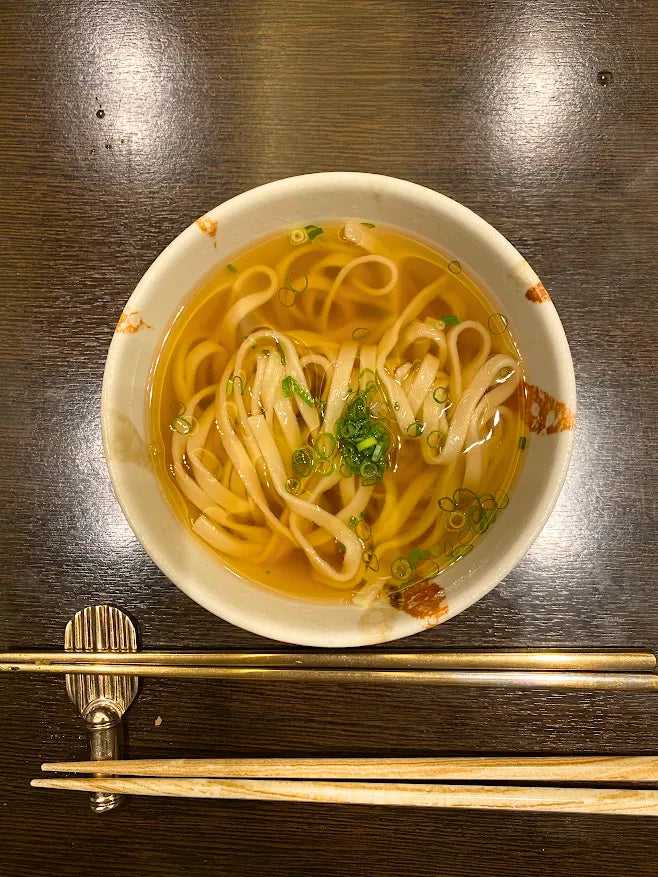
One THIN, one WIDE. $44 with a sauce sachet.

Seven servings. $94 with a sauce sachet.

Three kilos. $414 with a sauce sachet.

Purple rice noodles
6g protein
Per 100g
SHLUUUP! 一聲
20g protein
Per 100g (dried)
Restaurant partners
Want to try SHLUUUP! in a restaurant? Explore here.


